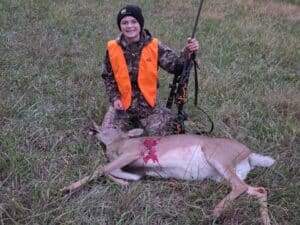
My dad took me hunting this fall and we had a nice crisp autumn day during youth weekend in Missouri to find that perfect deer. It reminded me of some of the key lessons he has taught me about survival.
When most people hear “survival skills,” they picture extreme situations or scary scenarios. That’s not what this is about. It’s about enjoying the outdoors or any situation with the knowledge and confidence that if something happens you will be ready.
I’m only 14 years old. I go to school, hunt, fish, and spend a lot of time outside with my dad. He’s a veteran, so we’ve always focused on staying calm, paying attention, and figuring things out instead of panicking.
The survival skills I’m sharing here aren’t about being afraid of the world. They’re about feeling more confident in it. These are things that actually help in real life — whether the power goes out, you get lost for a bit, or something just doesn’t go as planned.
Situational Awareness (Without Being Paranoid)
Situational awareness just means paying attention. Look around and notice your surroundings, that means you can’t bury your face in your phone. If you’re outdoors hunting like I was this fall, it means looking at the landscape and finding the right terrain where you’re likely to see deer. It means listening for movement and scanning the woods with your eyes frequently.
It’s knowing where you are, who’s around you, and what’s normal for that situation. It doesn’t mean thinking everyone or everything is dangerous and it’s definitely not constantly being on edge.
Simple things like:
- Looking up from your phone sometimes
- Noticing exits when you walk into a building
- Paying attention to people who act really out of place
Most of the time, nothing happens. But when something does happen, noticing it early gives you more options.
Here’s some things you should always have with you. - Small Bright Flashlight
- Basic Survival Watch
- Simple Every Day Carry Bag
Basic Fire Skills (When You Actually Need Them)
Fire isn’t about survival fantasies. It’s about warmth, cooking food, drying clothes, and being comfortable when conditions aren’t great.
Starting a fire is easy when it’s warm and dry. It’s harder when it’s cold, wet, or windy. That’s why practicing matters.
Important things to learn:
- How to start a fire with one hand
- How to build a fire that lasts, not just sparks
- Fire safety (this matters more than anything else)
Fire is a tool. If you respect it, it helps. If you don’t, it causes problems fast.
Here’s some basic supplies to get your fire going:
- Ferro Rod
- Stormproof matches
- Small fire starter kit
Finding and Treating Water
You can go a while without food. You can’t go long without water.
Just because water looks clean doesn’t mean it is. Streams, ponds, and rivers can still make you sick.
Everyone should know:
How to find water
How to treat it before drinking
Why having more than one method is smart
I don’t assume water will be safe. I assume it won’t be.
- 👉 Water filter
- 👉 Water purification tablets
- 👉 Collapsible water bottle
Basic First Aid (Stuff That Actually Happens)
Most injuries aren’t dramatic. They’re small cuts, burns, blisters, or twisted ankles. But if you ignore them, they can turn into bigger problems.
Basic first aid skills include:
- Cleaning and covering cuts
- Treating burns properly
- Knowing when to stop and get help
You should also be able to treat yourself, not just other people.
Here’s some things to keep handy:
- 👉 Compact first aid kit
- 👉 Tourniquet (with proper training and explanation)
Navigation Without a Phone
Phones are great — until they die, lose signal, or break.
Knowing where you are without relying on a screen builds confidence fast.
Good skills to practice:
- Reading a basic map
- Understanding directions
- Using landmarks
GPS is helpful. It just shouldn’t be the only thing you know how to use.
Here’s a couple things to keep in your back pack:
- Compass
- Waterproof map case
Carrying the Right Gear (Not Too Much)
A lot of people pack way too much stuff. If something is heavy, uncomfortable, or embarrassing, you probably won’t carry it — and then it’s useless. Here’s our post about how to pack your bug-out bag. You probably won’t carry that everyday, but you should keep it packed and ready to go if the situation gets really bad.
Good gear should be:
- Lightweight
- Useful in multiple situations
- Easy to carry every day or on short trips
You don’t need everything. You need the right things.
- Small backpack
- Minimal survival kit
- Multi-tool or knife
Here’s why Learning This Stuff Actually Helps:
Learning survival skills didn’t make me scared. It made me calmer and I felt ready for any situation, whether I am in the woods hunting or going out with my friends.
When you know you can handle small problems, bigger problems don’t feel as overwhelming. You stop panicking and start thinking. Thinking is what will save you in these tough situations. Use what you have and improvise if you have to.
That’s something my dad taught me early — staying calm is one of the most important survival skills there is. If you are calm you can make rationale decisions and figure out the best path forward. Unclear thinking gets you in more trouble than anything.
You don’t need to know everything. You don’t need expensive gear. You just need basic skills and the confidence to use them.
Survival skills aren’t about preparing for the worst day of your life. They’re about being capable on normal days when things go wrong. Believe me things will go wrong, but if you’re prepared it’s not a big deal.
That’s something every kid — and adult — can benefit from.