Get a Great PDF Checklist Here
When disaster strikes, you won’t get a warning. That’s why having a well-built bug out bag—a ready-to-go backpack with everything you need to survive for at least 72 hours—is one of the smartest steps any prepper or outdoorsman can take. This bug out bag checklist breaks down the essentials you need for your bag.
But here’s the problem: most people either overpack or pack the wrong things.
This guide breaks down the 32 essential items every bug out bag should include. These are field-tested, practical tools designed to help you stay alive, stay mobile, and stay prepared—no matter what comes your way.
The Bag Itself
Your pack needs to be: 30–50 liters, Water-resistant, Comfortable under load, Built with multiple compartments.
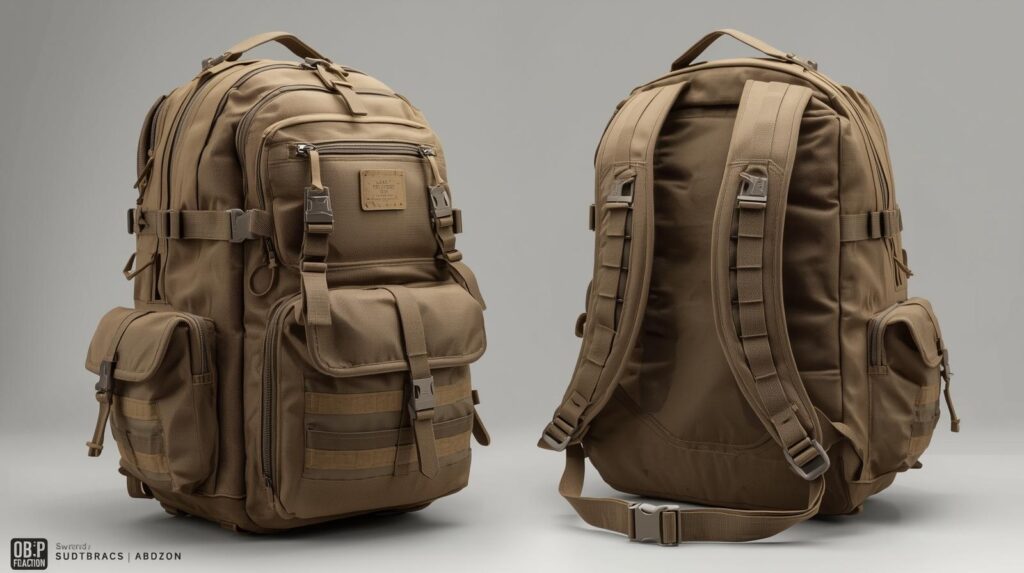
Look for MOLLE webbing, reinforced stitching, and padded straps.
Here’s a great backpack on Amazon, that I would recommend:
The 32 Must-Have Items
Shelter & Warmth
First and foremost, you need to be prepared to sleep in the elements. These items will ensure you are prepared for anything.
1. Emergency Mylar Blanket – Lightweight and retains body heat. Lifesaving in cold conditions.
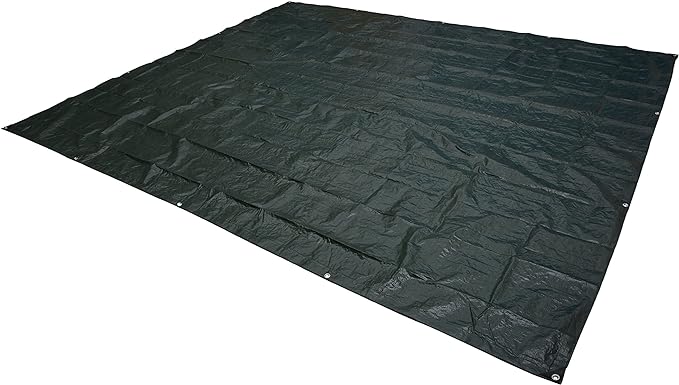
2. Compact Tarp or Survival Shelter – For quick protection from rain, wind, and sun.
3. Paracord (50–100 ft) – For shelter-building, repairs, traps, and more.
4. Emergency Sleeping Bag – Choose something lightweight and compression-friendly.

Buy Emergency Sleeping Bag Here
5. Hand Warmers – Small but invaluable in freezing temperatures.
Water & Hydration
Secondly, staying hydrated is of the most importance. Bring supplies to make sure you have enough water.
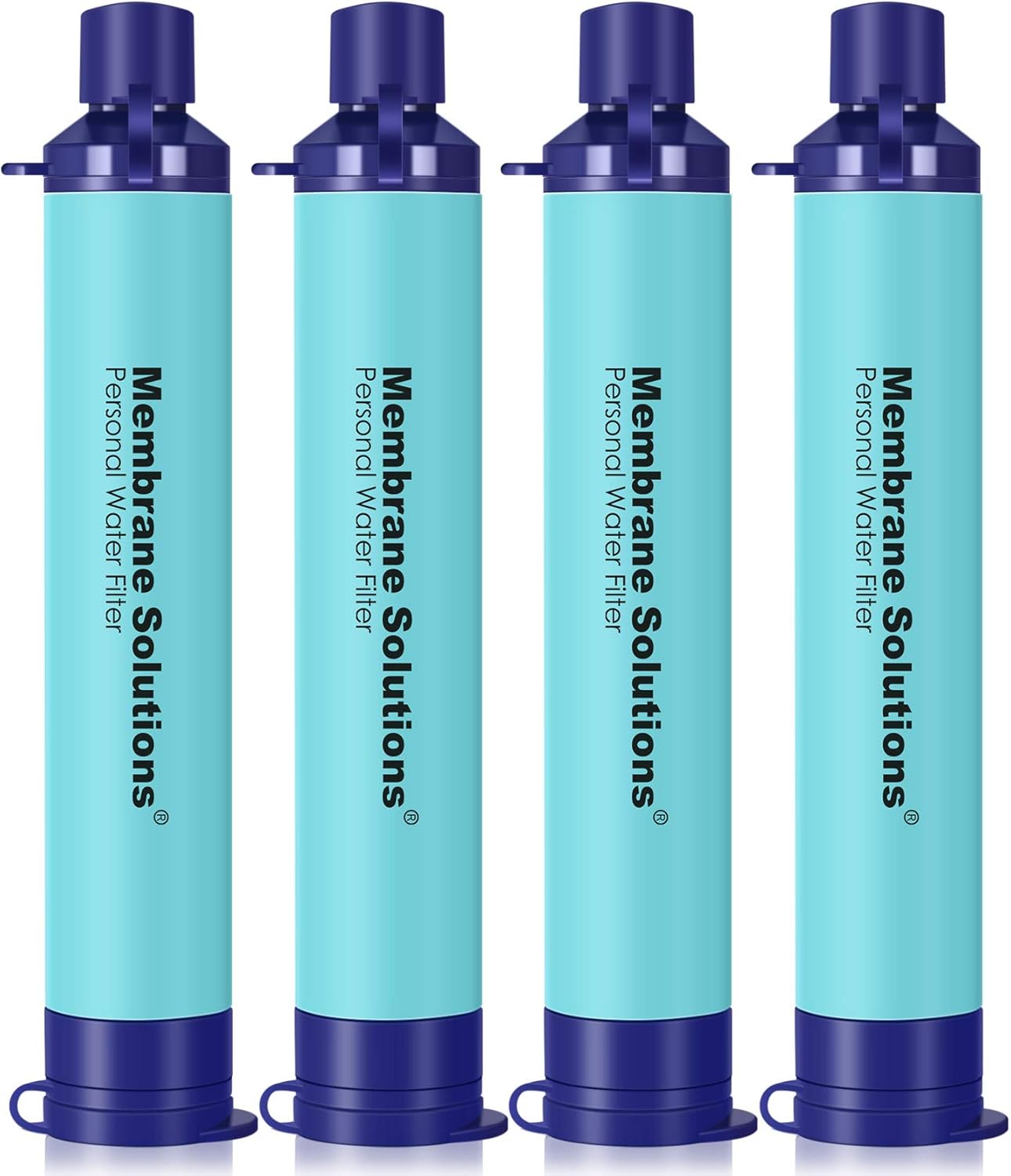
6. Water Filter (Sawyer, LifeStraw, etc.) – Clean drinking water is your top priority.
7. Collapsible Water Bottle – Takes up almost no space but becomes essential fast.

8. Water Purification Tablets – A backup if your filter fails.

Buy Water Purification Tablets Here
Food & Cooking
Next, you will need food to survive. See this list for essential items.
9. High-Calorie Emergency Food Packs – 3,000–4,000 calories minimum.

10. Compact Cook Stove – Something ultralight with fuel tabs or a small burner.

11. Stainless Steel Cup or Pot – For boiling water and cooking simple meals.
12. Utensil/Spork – You’ll use this more than you think.

Fire & Light
Additionally, you will need light to see at night and fire to stay warm. Pack Accordingly.
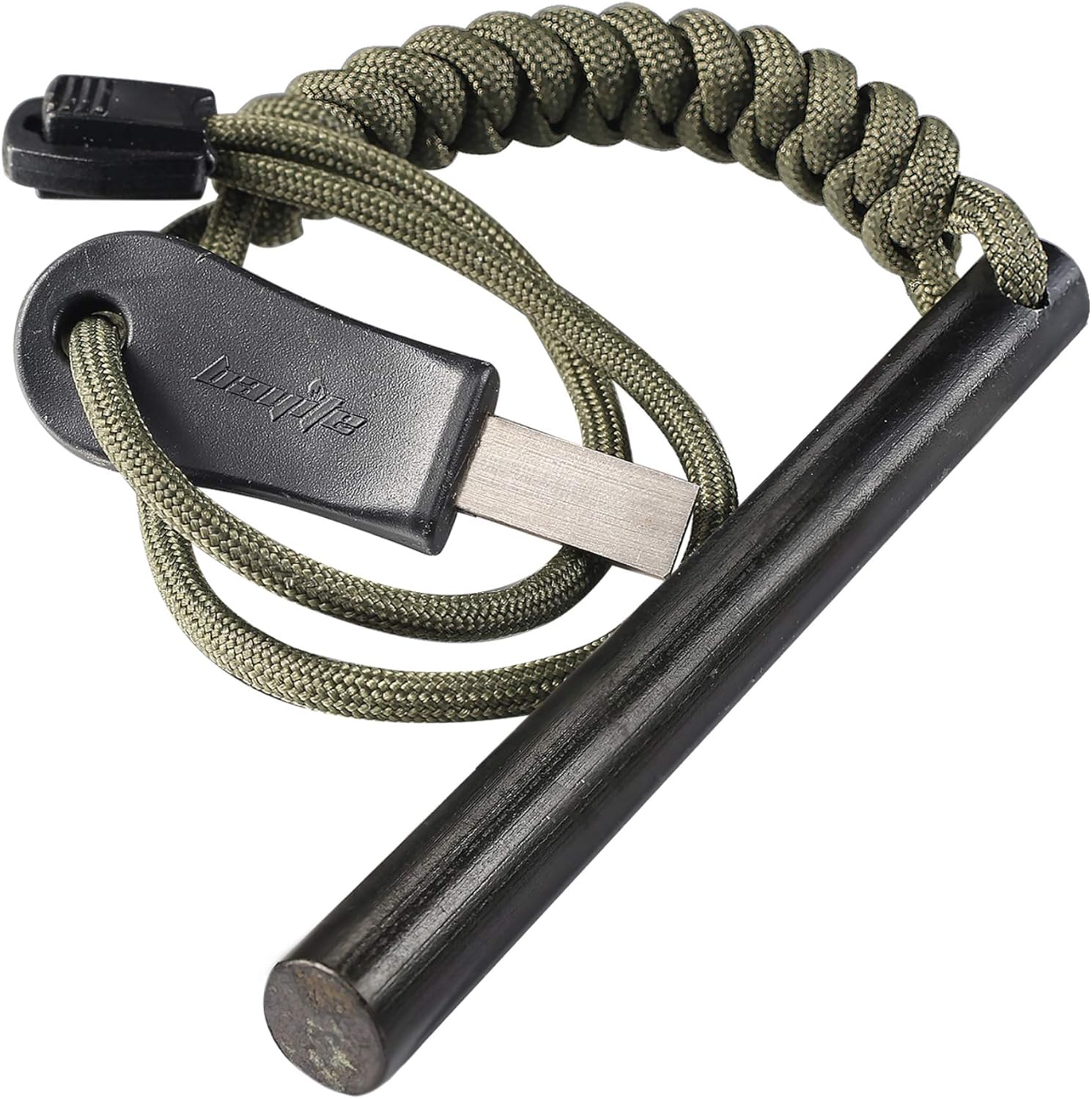
13. Fire Steel / Ferro Rod – Works in any weather.
14. Zippo Lighter – Reliable and fast.

15. Waterproof Matches – Redundant fire sources = survival.

16. Headlamp – Hands-free light is crucial when building shelter or navigating at night.

17. Extra Batteries – Store in a waterproof container.
Tools & Repair
You’ll definitely want to be prepared to fix things are build things. Put these items in your bag for survival.
18. Fixed-Blade Survival Knife – Your #1 tool for cutting, carving, and protection.

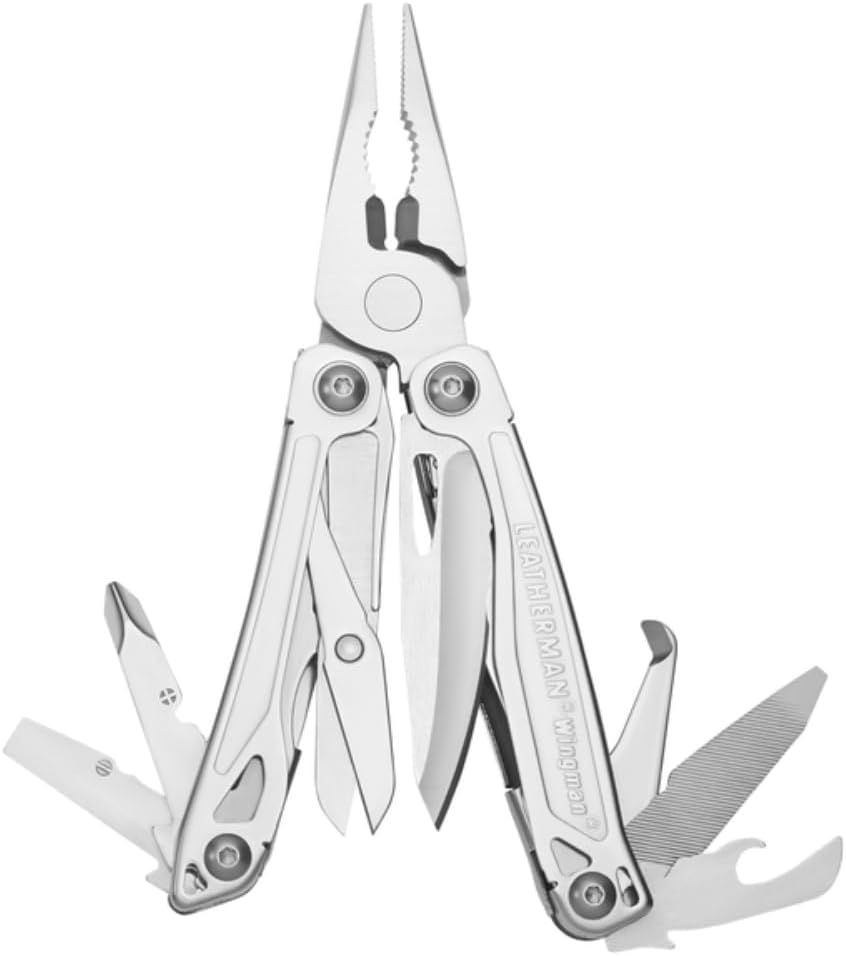
19. Multi-Tool – Pliers, screwdrivers, saw — a true workhorse.
20. Duct Tape (Flat Pack) – Repairs everything.

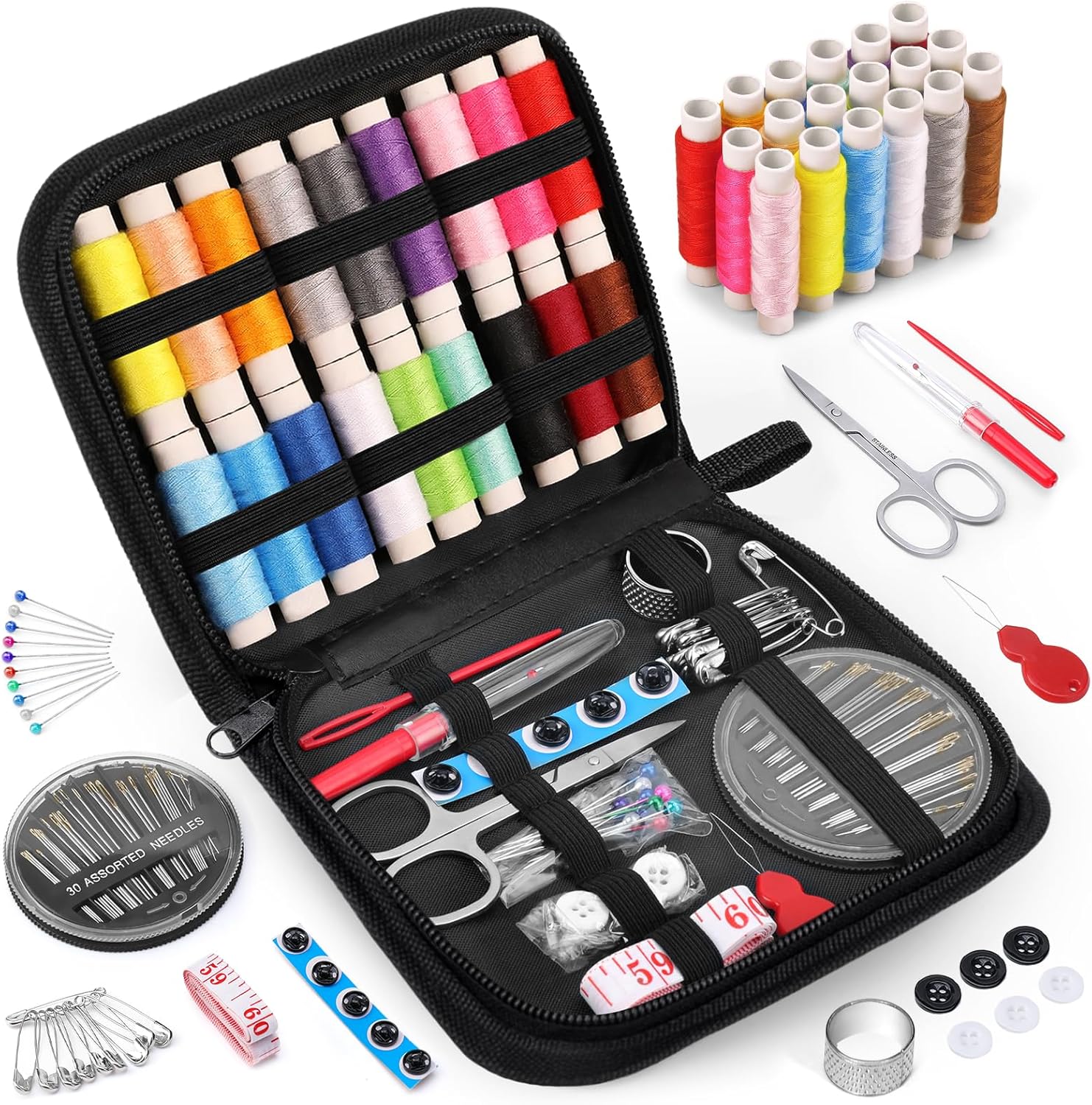
21. Mini Sewing Kit – Repairs torn gear fast.
22. Small Sharpener – A dull blade is dangerous.

Buy Small Knife Sharpener Here
First Aid & Hygiene
Ensure you have appropriate first aid items to handle any situation.
23. Compact First Aid Kit – Bandages, gauze, antibiotic ointment, pain relievers, gloves.
24. Trauma Items (Optional but Recommended) – Tourniquet, Israeli bandage.
25. Personal Hygiene Kit – Toothbrush, biodegradable soap, wipes, sanitizer.
26. Medications – Any personal, plus basics like ibuprofen and antidiarrheals.
Navigation & Communication
Next, you’ll need help knowing where to go and how to get to your bug out location.
27. Compass – Reliable navigation when GPS fails.
28. Local Maps – Printed and waterproofed.
29. Emergency Whistle – Sound travels far and saves energy.
30. Notepad & Pencil – For coordinates, notes, or messages.
Clothing & Extras
Finally, you’ll want to bring extra clothes and especially socks.
31. Extra Socks (x2) – Dry feet = mobility + health. Merino Wool is a must!
32. Gloves & Compact Rain Poncho – Weather can become an enemy fast. You’ll need warm work gloves so you don’t tear up your hands.
How to Pack Your Bug Out Bag
Before you load you bag, remember a well-packed bag keeps your load balanced and your items accessible.
Basically, just follow this layout:
Bottom of the bag (light but bulky items): Sleeping bag, Shelter items, Extra clothing
Middle of the bag (dense weight): Food, Water, Tools
Top of bag (quick access): First aid kit, Fire starters, Flashlight, Maps
Side pockets / exterior: Knife, Water bottle, Poncho,
How Much Should It Weigh? Aim for 15–25 pounds depending on age, strength, and experience.
A heavy bag will slow you down, wear you out, and make you less safe.
Final Thoughts: Certainly, a bug out bag isn’t just a backpack — it’s a lifeline. Whether you’re a new prepper, an outdoor enthusiast, or building a family emergency plan, the key is to pack smart, stay light, and stay adaptable. And remember: gear matters, but skills matter more.
**If you buy one of these items on Amazon, we receive a small commission. You are not charged anything additional for the service/product.**
Pingback: The Best Bug Out Bag for the Money - Cedar Summit Survival
Pingback: Budget Friendly Survival Tips, Paracord Uses | Cedar Summit Survival
Pingback: Survival Skills Every Teen Should Know - Cedar Summit Survival
Pingback: How to Build a Survival Shelter - Cedar Summit Survival